 Kiara
KiaraJapanese for kids — learning through stories
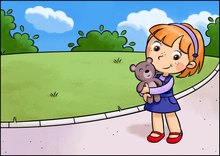
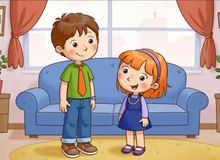
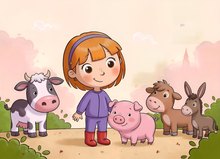
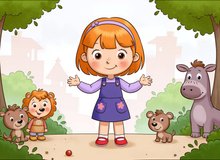
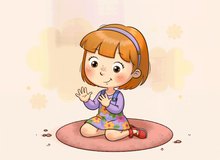
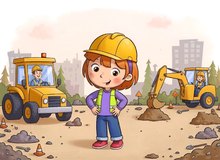
Kiara teaches Japanese the way children learn best: through story, picture and sound. Every story is narrated in Japanese, page by page, and your child taps an object in the illustration to hear the word pronounced.
The interface stays in the native language, so the child always knows where they are, and the memory game pairs the same word in both languages. No grammar, no exercises — just stories a child wants to hear again.
How Kiara teaches a language
Pick two languages
A native language for the interface and a learning language for the stories. Any of the 14 combinations works — e.g. English and German, or Croatian and English.
Listen and tap
The story is narrated in the learning language, page by page. Your child taps an object in the picture and hears the word pronounced.
Play memory
Words from the story become pairs of cards: the same word in the native and the learning language. The game repeats and reinforces what the child heard in the story.
Stories in Japanese
 Free
Free
Words your child will learn
Words from the illustrations of all stories — each one is spoken on tap in the app and appears as a pair in the memory game.
| Japanese | English |
|---|---|
| ベッドbeddo | Bed |
| 窓mado | Window |
| たんすtansu | Dresser |
| ラグragu | Rug |
| 写真shashin | Picture |
| ランプranpu | Lamp |
| ボールbooru | Ball |
| 人形ningyou | Doll |
| キアラkiara | Kiara |
| テディベアtedibea | Teddy bear |
| 太陽taiyou | Sun |
| 犬inu | Dog |
| 友達tomodachi | Friend |
| 女の子onnanoko | Girl |
| すべり台suberidai | Slide |
| 砂場sunaba | Sandpit |
| 鳥tori | Bird |
| 雲kumo | Cloud |
| シャベルshaberu | Shovel |
| 熊手kumade | Rake |
| 茂みshigemi | Bush |
| ママmama | Mother |
| スリッパsurippa | Slippers |
| 月tsuki | Moon |
| 箱hako | Box |
| カーテンkaaten | Curtain |
| 枕makura | Pillow |
| 木ki | Tree |
| 影kage | Shadow |
| パトリックpatorikku | Patrick |
| 葉ha | Leaf |
| 草kusa | Grass |
| 水槽suisou | Aquarium |
| 飛行機hikouki | Airplane |
| 本hon | Book |
| チョコレートchokoreeto | Chocolate |
| バケツbaketsu | Bucket |
| 靴kutsu | Shoe |
| スニーカーsuniikaa | Sneakers |
| 歩道hodou | Sidewalk |
| 煙突entotsu | Chimney |
| ブランコburanko | Swing |
| ハンガーhangaa | Coat hanger |
| ジャケットjaketto | Jacket |
| 戸棚todana | Cupboard |
| ドアノブdoanobu | Doorknob |
| ドアdoa | Door |
| バッグbaggu | Bag |
| 髪kami | Hair |
| TシャツTshatsu | T-shirt |
| ズボンzubon | Trousers |
| ワンピースwanpiisu | Dress |
| 植物shokubutsu | Plant |
| イヤリングiyaringu | Earring |
| かごkago | Basket |
| テレビterebi | Television |
| おもちゃomocha | Toy |
| ソファsofa | Couch |
| 毛布moufu | Blanket |
| 手te | Hand |
| 目覚まし時計mezamashitokei | Alarm clock |
| リモコンrimokon | Remote control |
| 目me | Eye |
| 脚ashi | Leg |
| ジーンズjiinzu | Jeans |
| パンpan | Bread rolls |
| 棚tana | Shelf |
| グラスgurasu | Glass |
| 家族kazoku | Family |
| 七面鳥shichimenchou | Turkey |
| ブーツbuutsu | Boots |
| おじいちゃんojiichan | Grandfather |
| 帽子boushi | Hat |
| 牛ushi | Cow |
| 足ashi | Leg |
| 鶏niwatori | Chicken |
| 猫neko | Cat |
| ガチョウgachou | Goose |
| アヒルahiru | Duck |
| 井戸ido | Well |
| トウモロコシtoumorokoshi | Corn |
| キャベツkyabetsu | Cabbage |
| 畑hatake | Garden |
| 囲いkakoi | Pen |
| ジュースjuusu | Juice |
| クッキーkukkii | Cookies |
| ベンチbenchi | Bench |
| 花hana | Flower |
| ブラシburashi | Brush |
| 毛ke | Hair |
| ひづめhizume | Hoof |
| 尾o | Tail |
| たてがみtategami | Mane |
| 馬uma | Horse |
| 馬小屋umagoya | Stable |
| 眼鏡megane | Glasses |
| 棒bou | Stick |
| おばあさんobaasan | Grandmother |
| 羊hitsuji | Sheep |
| ウールuuru | Wool |
| 皿sara | Plate |
| 牛乳gyuunyuu | Milk |
| コップkoppu | Cup |
| スプーンsupuun | Spoon |
| フォークfooku | Fork |
| 椅子isu | Chair |
| テーブルteeburu | Table |
| 豚buta | Pig |
| 幼稚園youchien | Kindergarten |
| 公園kouen | Park |
| チャイルドシートchairudoshiito | Child seat |
| 自転車jitensha | Bicycle |
| タイヤtaiya | Tire |
| ヘルメットherumetto | Helmet |
| チケットchiketto | Tickets |
| フラミンゴfuramingo | Flamingo |
| 入口iriguchi | Entrance |
| 柵saku | Fence |
| 小道komichi | Path |
| バックパックbakkupakku | Backpack |
Frequently asked questions
What age is Kiara for?
Children aged 3 to 7. Toddlers tap the pictures and listen to words, preschoolers follow the story and play memory, and beginning readers follow the text along with the narration.
Which languages are available?
Croatian, English, German, French, Italian, Spanish, Portuguese, Dutch, Polish, Chinese, Ukrainian, Turkish, Japanese and Korean. Every story has text, narration and words in all 14 languages, with Latin reading aids for Chinese (pinyin), Japanese (romaji), Korean and Ukrainian.
How does language learning work?
You choose a native language (for the interface and memory cards) and a learning language (for the stories). The story is narrated in the learning language and the memory game pairs the same word in both languages. You can switch languages at any time.
Does Kiara work offline?
Yes. Stories are downloaded to the device once and then work fully offline — in the car, on a plane, anywhere without signal.
How much does it cost?
The first story is free. The other stories are one-time purchases, individually or all together. No subscription, no hidden costs.
Are there ads? Does the app collect data?
No ads, no accounts, no tracking. Kiara collects no personal data from children or parents. Everything stays on your device.
Which devices does it run on?
iPhone and iPad (App Store) and Android phones and tablets (Google Play). It works in both portrait and landscape.