 Kiara
KiaraKorean for kids — learning through stories
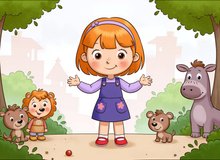
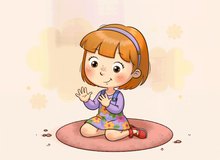
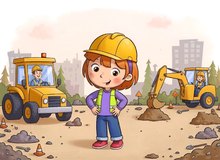
Kiara teaches Korean the way children learn best: through story, picture and sound. Every story is narrated in Korean, page by page, and your child taps an object in the illustration to hear the word pronounced.
The interface stays in the native language, so the child always knows where they are, and the memory game pairs the same word in both languages. No grammar, no exercises — just stories a child wants to hear again.
Korean for kids: five ways to start before age seven →
How Kiara teaches a language
Pick two languages
A native language for the interface and a learning language for the stories. Any of the 14 combinations works — e.g. English and German, or Croatian and English.
Listen and tap
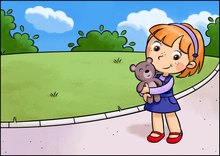
The story is narrated in the learning language, page by page. Your child taps an object in the picture and hears the word pronounced.
Play memory
Words from the story become pairs of cards: the same word in the native and the learning language. The game repeats and reinforces what the child heard in the story.
Stories in Korean
 Free
Free
Words your child will learn
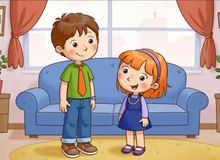
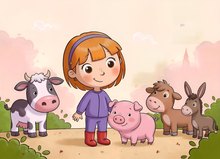
Words from the illustrations of all stories — each one is spoken on tap in the app and appears as a pair in the memory game.
| Korean | English |
|---|---|
| 침대chimdae | Bed |
| 창문changmun | Window |
| 서랍장seorapjang | Dresser |
| 러그reogeu | Rug |
| 그림geurim | Picture |
| 램프raempeu | Lamp |
| 공gong | Ball |
| 인형inhyeong | Doll |
| 키아라kiara | Kiara |
| 곰 인형gom inhyeong | Teddy bear |
| 태양taeyang | Sun |
| 개gae | Dog |
| 친구chingu | Friend |
| 여자아이yeojaai | Girl |
| 미끄럼틀mikkeureomteul | Slide |
| 모래밭moraebat | Sandpit |
| 새sae | Bird |
| 구름gureum | Cloud |
| 삽sap | Shovel |
| 갈퀴galkwi | Rake |
| 덤불deombul | Bush |
| 엄마eomma | Mother |
| 슬리퍼seulripeo | Slippers |
| 달dal | Moon |
| 상자sangja | Box |
| 커튼keoteun | Curtain |
| 베개begae | Pillow |
| 나무namu | Tree |
| 그림자geurimja | Shadow |
| 패트릭paeteurik | Patrick |
| 잎ip | Leaf |
| 풀pul | Grass |
| 어항eohang | Aquarium |
| 비행기bihaenggi | Airplane |
| 책chaek | Book |
| 초콜릿chokolrit | Chocolate |
| 양동이yangdongi | Bucket |
| 신발sinbal | Shoe |
| 운동화undonghwa | Sneakers |
| 보도bodo | Sidewalk |
| 굴뚝gulttuk | Chimney |
| 그네geune | Swing |
| 옷걸이otgeori | Coat hanger |
| 재킷jaekit | Jacket |
| 수납장sunapjang | Cupboard |
| 문손잡이munsonjabi | Doorknob |
| 문mun | Door |
| 가방gabang | Bag |
| 머리카락meorikarak | Hair |
| 티셔츠tisyeocheu | T-shirt |
| 바지baji | Trousers |
| 드레스deureseu | Dress |
| 식물sikmul | Plant |
| 귀걸이gwigeori | Earring |
| 바구니baguni | Basket |
| 텔레비전telrebijeon | Television |
| 장난감jangnangam | Toy |
| 소파sopa | Couch |
| 담요damyo | Blanket |
| 손son | Hand |
| 알람 시계alram sigye | Alarm clock |
| 리모컨rimokeon | Remote control |
| 눈nun | Eye |
| 다리dari | Leg |
| 청바지cheongbaji | Jeans |
| 빵ppang | Bread rolls |
| 선반seonban | Shelf |
| 유리컵yurikeop | Glass |
| 가족gajok | Family |
| 칠면조chilmyeonjo | Turkey |
| 부츠bucheu | Boots |
| 할아버지harabeoji | Grandfather |
| 모자moja | Hat |
| 소so | Cow |
| 닭dak | Chicken |
| 고양이goyangi | Cat |
| 거위geowi | Goose |
| 오리ori | Duck |
| 우물umul | Well |
| 옥수수oksusu | Corn |
| 양배추yangbaechu | Cabbage |
| 정원jeongwon | Garden |
| 우리uri | Pen |
| 주스juseu | Juice |
| 쿠키kuki | Cookies |
| 벤치benchi | Bench |
| 꽃kkot | Flower |
| 솔sol | Brush |
| 털teol | Hair |
| 발굽balgup | Hoof |
| 꼬리kkori | Tail |
| 갈기galgi | Mane |
| 말mal | Horse |
| 마구간magugan | Stable |
| 안경angyeong | Glasses |
| 막대기makdaegi | Stick |
| 할머니halmeoni | Grandmother |
| 양yang | Sheep |
| 양모yangmo | Wool |
| 접시jeopsi | Plate |
| 우유uyu | Milk |
| 컵keop | Cup |
| 잔jan | Glass |
| 숟가락sutgarak | Spoon |
| 포크pokeu | Fork |
| 의자uija | Chair |
| 테이블teibeul | Table |
| 돼지dwaeji | Pig |
| 유치원yuchiwon | Kindergarten |
| 공원gongwon | Park |
| 아이용 안장aiyong anjang | Child seat |
| 자전거jajeongeo | Bicycle |
| 타이어taieo | Tire |
| 헬멧helmet | Helmet |
| 티켓tiket | Tickets |
| 플라밍고peulraminggo | Flamingo |
| 입구ipgu | Entrance |
| 울타리ultari | Fence |
| 길gil | Path |
| 배낭baenang | Backpack |
Frequently asked questions
What age is Kiara for?
Children aged 3 to 7. Toddlers tap the pictures and listen to words, preschoolers follow the story and play memory, and beginning readers follow the text along with the narration.
Which languages are available?
Croatian, English, German, French, Italian, Spanish, Portuguese, Dutch, Polish, Chinese, Ukrainian, Turkish, Japanese and Korean. Every story has text, narration and words in all 14 languages, with Latin reading aids for Chinese (pinyin), Japanese (romaji), Korean and Ukrainian.
How does language learning work?
You choose a native language (for the interface and memory cards) and a learning language (for the stories). The story is narrated in the learning language and the memory game pairs the same word in both languages. You can switch languages at any time.
Does Kiara work offline?
Yes. Stories are downloaded to the device once and then work fully offline — in the car, on a plane, anywhere without signal.
How much does it cost?
The first story is free. The other stories are one-time purchases, individually or all together. No subscription, no hidden costs.
Are there ads? Does the app collect data?
No ads, no accounts, no tracking. Kiara collects no personal data from children or parents. Everything stays on your device.
Which devices does it run on?
iPhone and iPad (App Store) and Android phones and tablets (Google Play). It works in both portrait and landscape.